

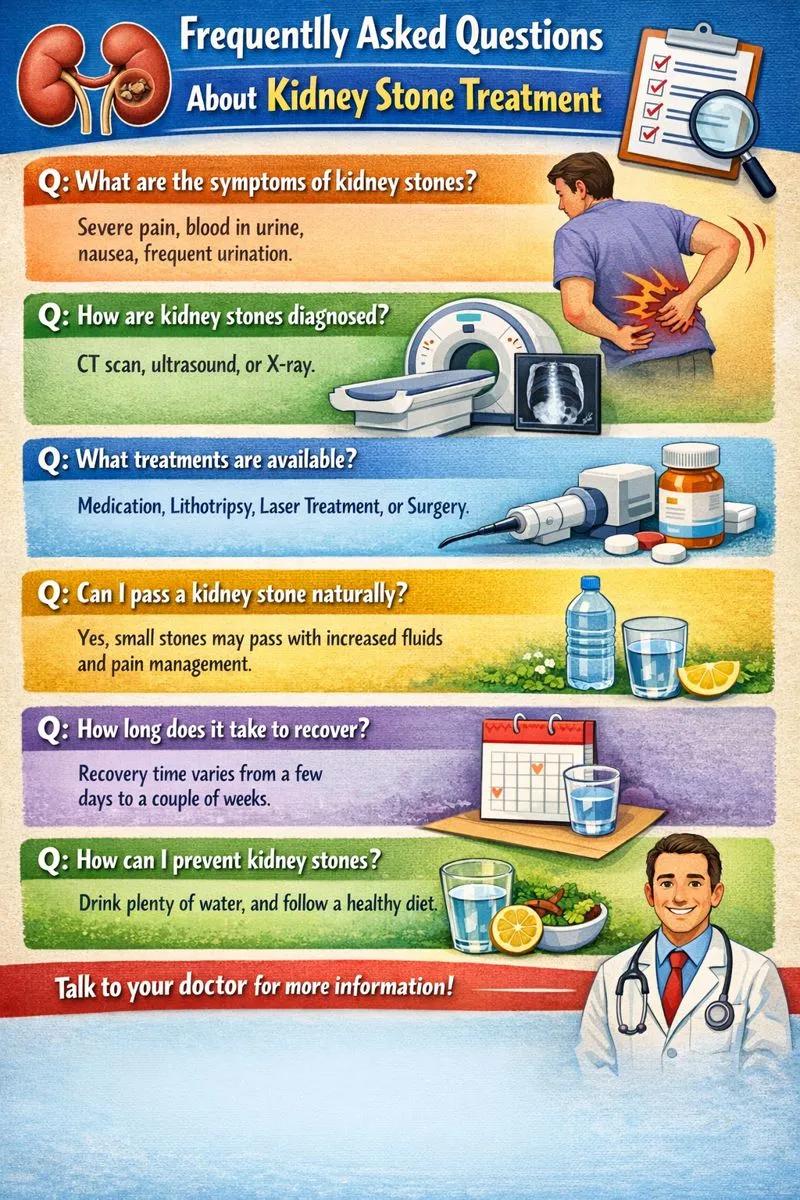
frequently-asked-questions-about-kidney-stone-treatment
Kidney stones are a common urological condition affecting people of all ages. They are hard deposits of minerals and salts that form inside your kidneys, often causing severe pain and discomfort. If not treated promptly, kidney stones can lead to serious complications, including urinary tract infections or kidney damage. For expert care and advanced treatment options, Sarvesh Health City, recognized as the Best Urology Hospital in Hisar, provides comprehensive solutions to manage and treat kidney stones effectively.
Here are some frequently asked questions (FAQs) about kidney stone treatment that can help patients and families understand this condition better.
1. What are the symptoms of kidney stones?
Kidney stones can sometimes be asymptomatic, especially when small. However, common symptoms include:
Severe pain in the back, side, or lower abdomen
Pain while urinating
Blood in urine (hematuria)
Nausea and vomiting
Frequent urination or urgent need to urinate
Cloudy or foul-smelling urine
If you experience these symptoms, it is important to consult a specialist at the Best Urology Hospital in Hisar immediately to prevent complications.
2. What causes kidney stones?
Kidney stones form when there is an imbalance of minerals and salts in your urine. Some common risk factors include:
Dehydration or low water intake
High sodium or sugar diet
Obesity or metabolic disorders
Family history of kidney stones
Certain medications or medical conditions
The urologists at Sarvesh Health City conduct thorough evaluations to determine the underlying cause and provide personalized preventive strategies.
3. How are kidney stones diagnosed?
Diagnosis usually begins with a detailed medical history and physical examination, followed by tests such as:
Urine analysis to detect crystals or blood
Blood tests to check kidney function
Imaging tests like Ultrasound, X-ray, or CT scan for precise detection
At Sarvesh Health City, we use the latest imaging technology to ensure accurate diagnosis and tailored treatment plans.
4. What treatment options are available for kidney stones?
The treatment approach depends on the size, type, and location of the kidney stone. Common treatments include:
a) Medical Management
Small stones may pass naturally with increased fluid intake and pain management.
Medications can help relax the ureter and facilitate stone passage.
b) Extracorporeal Shock Wave Lithotripsy (ESWL)
Non-invasive procedure using shock waves to break stones into smaller pieces.
Suitable for medium-sized stones and avoids surgery.
c) Ureteroscopy
A minimally invasive procedure where a small scope is inserted through the urinary tract to remove stones.
Can treat stones in the ureter or kidney directly.
d) Percutaneous Nephrolithotomy (PCNL)
Recommended for large or complex kidney stones.
A small incision in the back allows direct removal of the stones.
e) Preventive Care
After treatment, lifestyle modifications, dietary counseling, and medications help prevent recurrence.
At Sarvesh Health City, patients have access to all these advanced treatment options, delivered by experienced urologists.
5. How long does kidney stone treatment take?
The duration varies depending on the stone size and chosen treatment method:
Small stones may pass naturally within a few days to weeks.
ESWL usually takes 30–60 minutes, with recovery in a few days.
Ureteroscopy may take 1–2 hours with short hospital stay.
PCNL may require 1–2 days of hospital stay with full recovery in a few weeks.
Our team at Sarvesh Health City, the Best Urology Hospital in Hisar, ensures quick recovery with minimal discomfort.
6. Is kidney stone treatment painful?
Pain during kidney stone passage is common, especially with larger stones. However, modern techniques like ESWL, ureteroscopy, and PCNL are minimally invasive and performed under anesthesia to reduce discomfort. Post-procedure pain is manageable with medications prescribed by your urologist.
7. Can kidney stones come back after treatment?
Yes, recurrence is possible if the underlying cause is not addressed. Factors like dehydration, high salt diet, obesity, or metabolic disorders can increase the risk. At Sarvesh Health City, we focus on both treatment and prevention, including:
Dietary counseling
Lifestyle recommendations
Regular follow-up and monitoring
8. How can I prevent kidney stones?
Preventive measures are crucial to avoid recurrence:
Drink at least 2–3 liters of water daily
Reduce salt, sugar, and oxalate-rich foods
Maintain a healthy weight
Exercise regularly
Take prescribed medications if you have metabolic conditions
Following these guidelines under the supervision of urologists at the Best Urology Hospital in Hisar can significantly reduce the risk of future stones.
9. When should I see a doctor immediately?
Seek urgent medical care if you experience:
Severe pain that doesn’t improve with painkillers
Fever or chills (signs of infection)
Persistent vomiting or dehydration
Blood in urine with clots
Difficulty urinating
Immediate attention can prevent complications like kidney damage or infection.
10. Why choose Sarvesh Health City for kidney stone treatment?
Choosing the right hospital can make a significant difference in your treatment experience. Sarvesh Health City offers:
Experienced urologists specializing in kidney stone management
Advanced diagnostic and surgical technologies
Personalized treatment plans for every patient
Comprehensive preventive care and follow-up
Comfortable hospital facilities and supportive staff
Patients from Hisar and nearby regions trust us as the Best Urology Hospital in Hisar for effective and compassionate care.
Conclusion
Kidney stones, though painful and sometimes recurrent, are treatable with timely medical care. Understanding the symptoms, causes, treatment options, and preventive strategies can make the journey easier. At Sarvesh Health City, we combine expertise, advanced technology, and patient-centered care to ensure the best outcomes.
If you or a loved one is experiencing symptoms of kidney stones, don’t wait. Consult our team at the Best Urology Hospital in Hisar for expert diagnosis, treatment, and long-term care